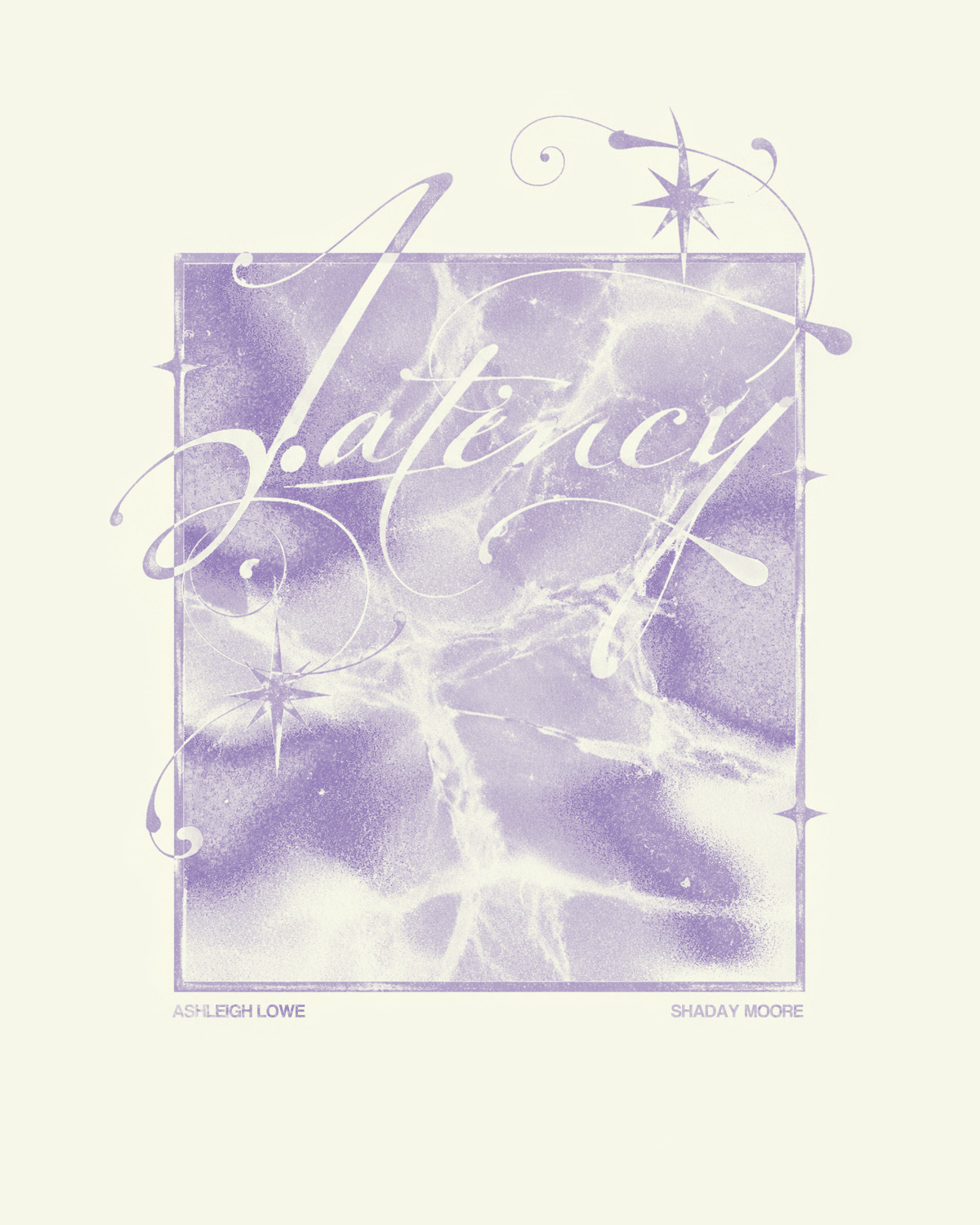
Latency
Ashleigh Lowe and Shaday Moore
Latency considers time as something experienced, accumulated, and often overlooked rather than clearly perceived or measured. The exhibition explores how ordinary moments can be recorded through repetition, duration, and material change, drawing attention to the subtle ways time is experienced and remembered. Through moving image and alternative photographic processes, the artists create a collection of observations that consider how places, environments, and everyday experiences can leave traces over time.
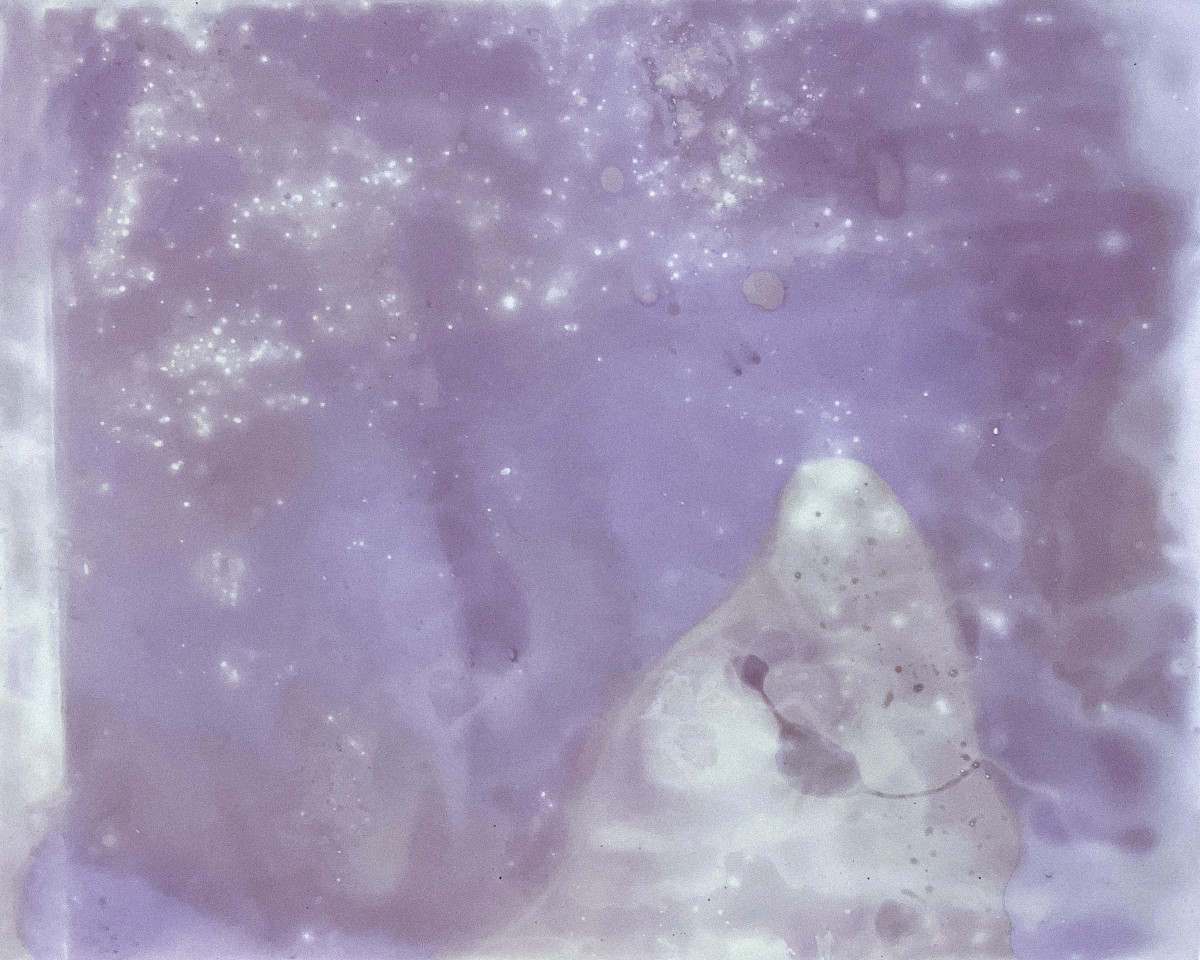
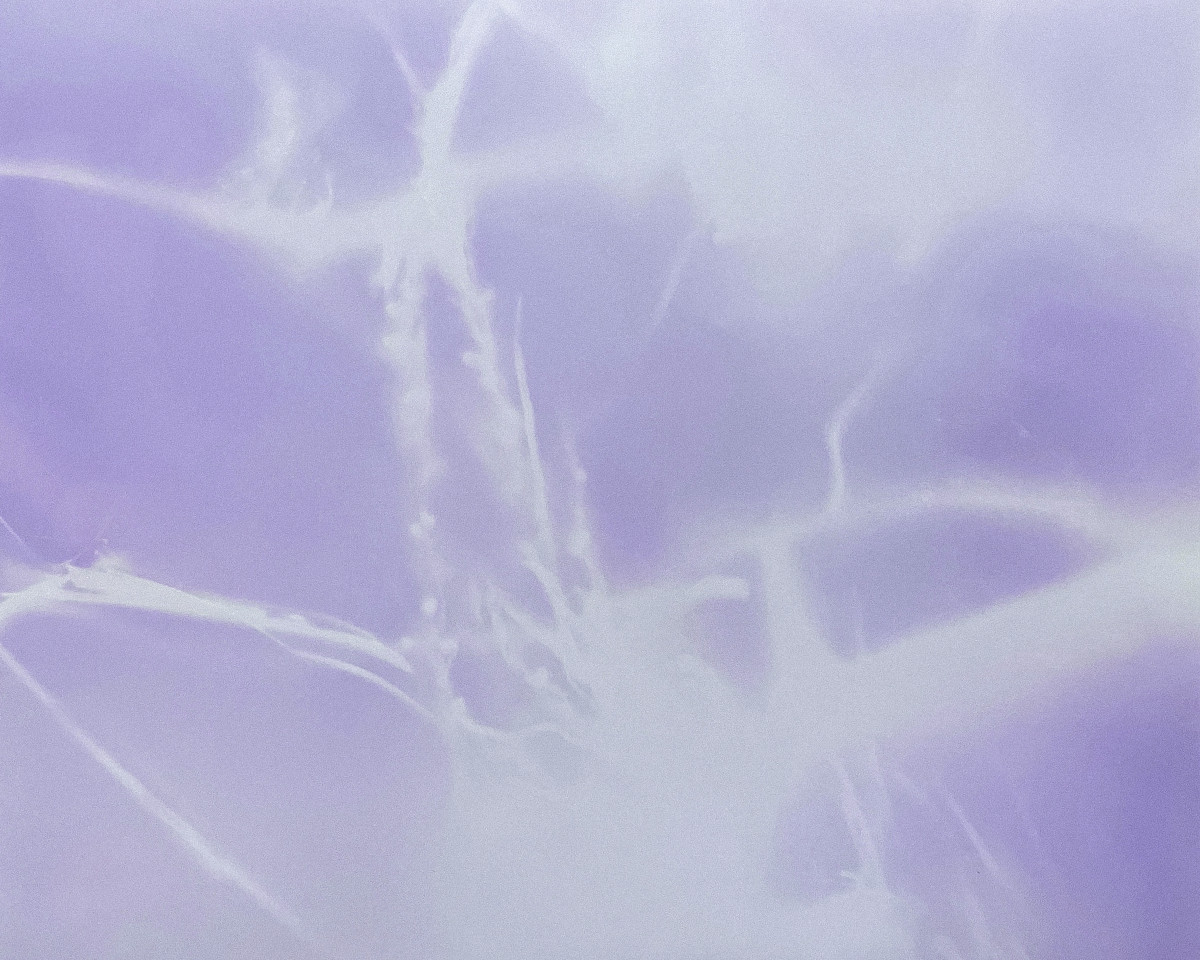
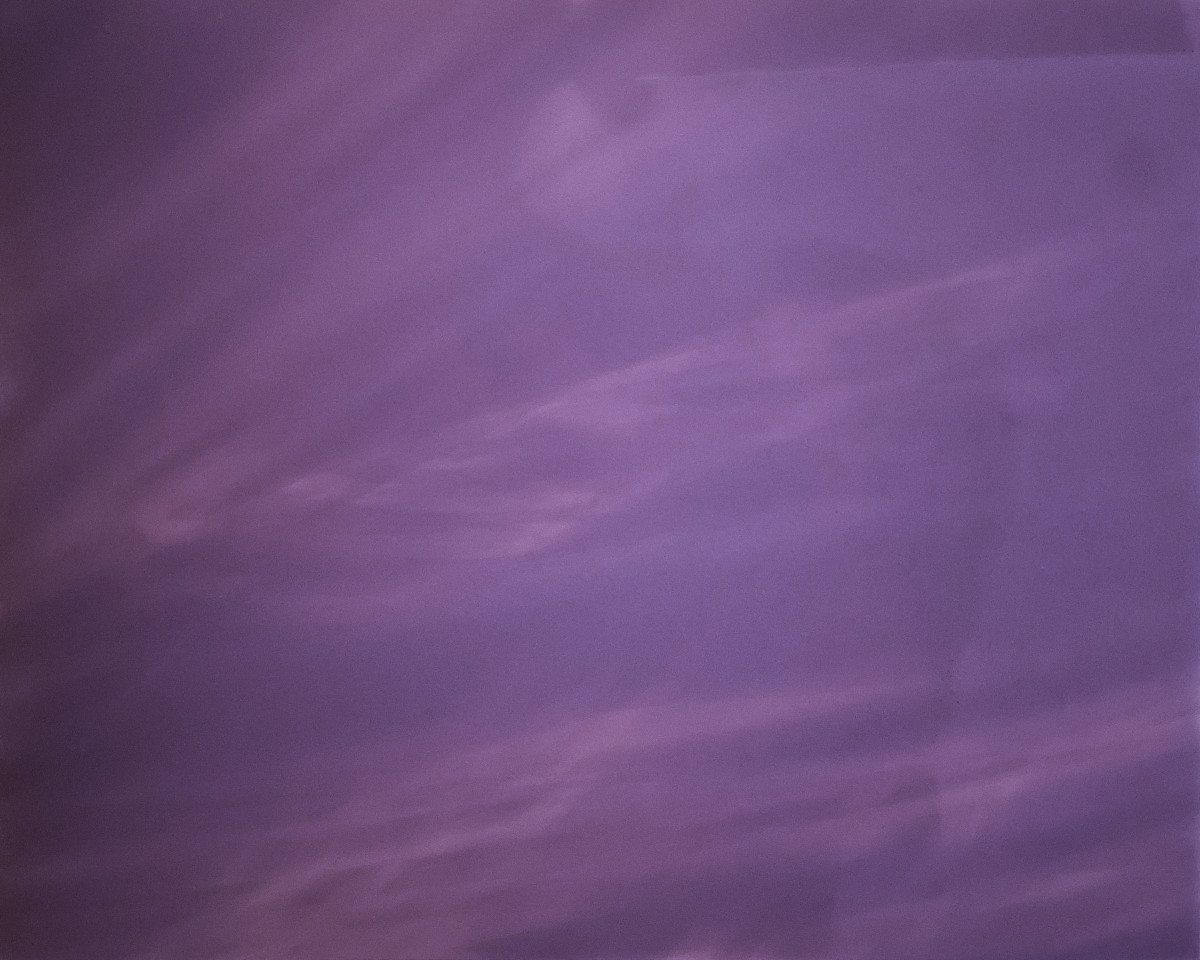
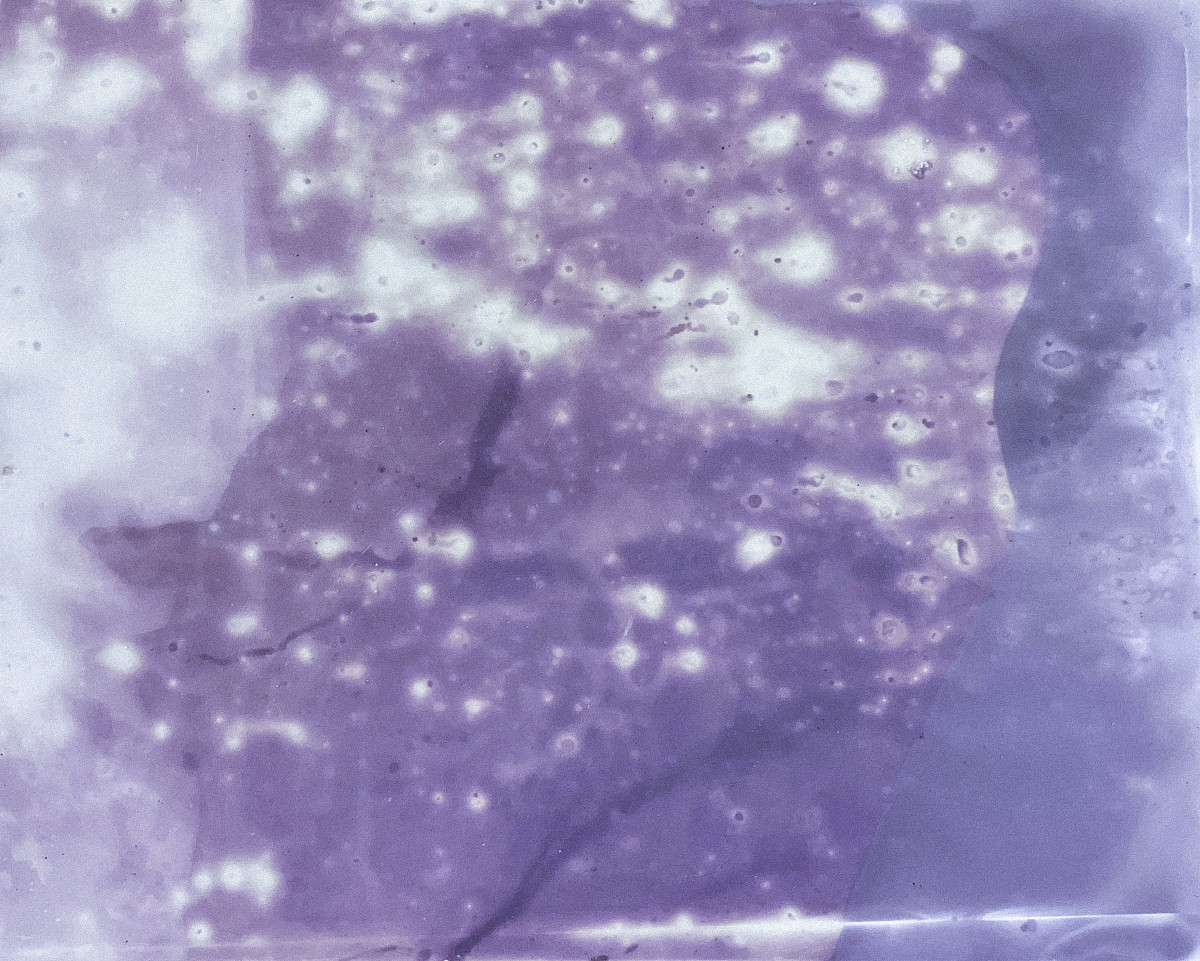
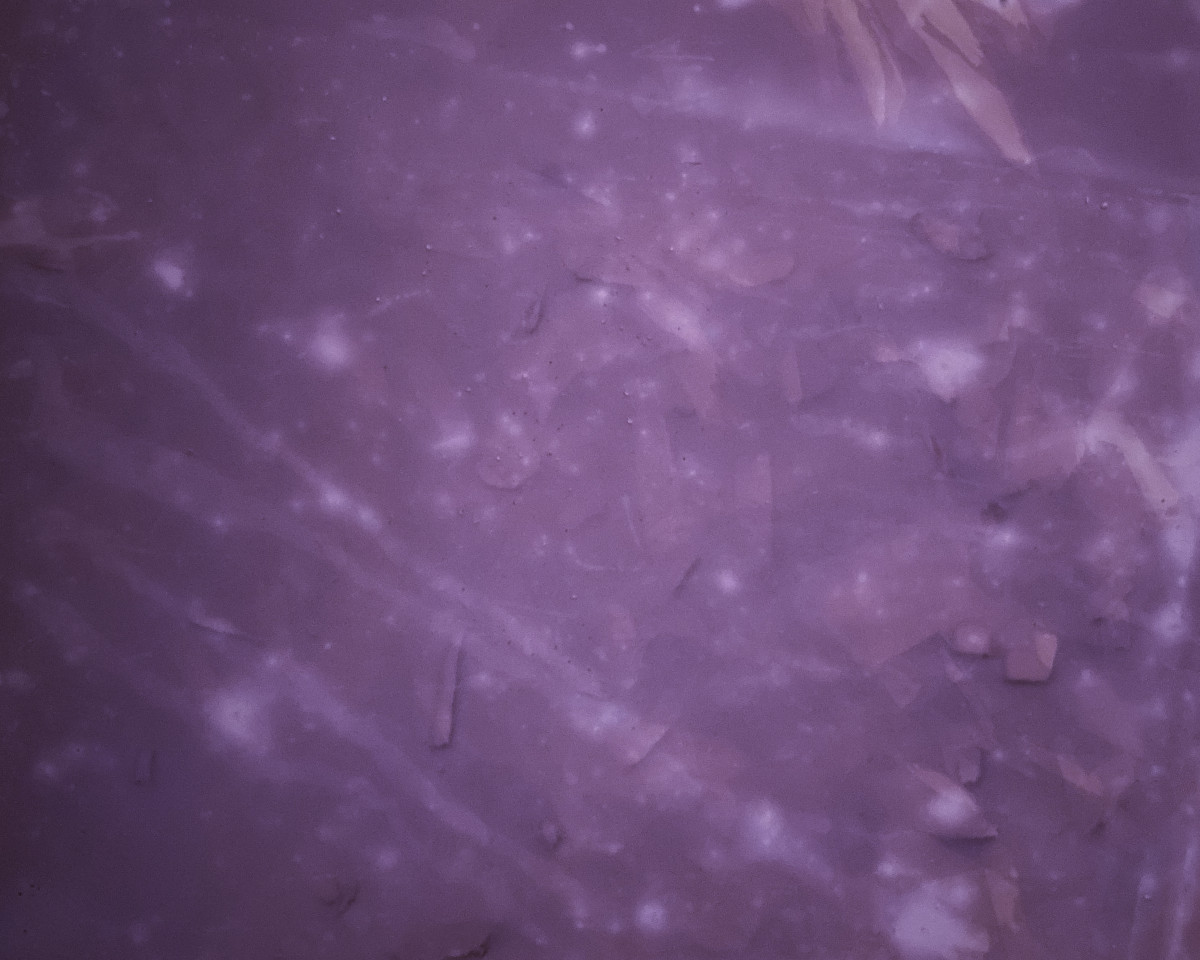
At the centre of the process is a series of lumen print solargrams made over an extended period across different seasons. The printmaking involved placing light-sensitive paper in various locations that hold significance to the artists. Light-sensitive photographic paper reacts when exposed to sunlight, gradually changing colour and recording traces of the conditions it encounters. On different days, a new print was made and exposed to five minutes of sunlight, regardless of the weather. This repeated process allows each print to capture the conditions of a particular day, including changes in light, weather, temperature, and the surrounding environment. Each print is a small record of a particular pocket of time, carrying the conditions of the place and day in which it was made. Rather than attempting to control the final result, the artists allowed the environment to shape each work. During the process, light, wind, moisture, temperature, ocean water, sand, dirt, grass, leaves, and other natural materials became collaborators, leaving their own traces across the surface of each print. The artists decided where to place the paper within each location on each day, allowing the conditions of that particular site to influence how the image developed. As a result, each print carries the traces of both the artists’ decisions and the environment in which it was made.
A single-channel video documents the artists’ shared process of creating the lumen print solargrams. The footage was captured on a digital camera with a 30-second recording limit for each clip and a maximum of 30 minutes of footage per shoot. These limitations became part of the process, introducing fixed intervals of time into the documentation and shaping how the artists recorded their actions. Instead of trying to capture the process continuously, the artists worked within these restrictions, resulting in fragments of activity that reflect the repeated and interrupted nature of the process itself. The limitations of the camera become another way of measuring and experiencing time within the work.
Together, the video and lumen prints form an accumulation of moments across different places, days, and seasons. Through repetition and attentive observation, Latency invites viewers to consider the quiet traces that time leaves behind, both materially and through memory. What may initially appear ordinary becomes a record of change, where small variations in light, environment, and experience reveal the passage of time. The exhibition asks us to slow down and recognise these fleeting moments, considering how time is not only measured, but also experienced, remembered, and held within the places and materials that surround us.